
Al-Biruni
Khwarazmian Iranic polymath and scholar of the Islamic Golden Age.

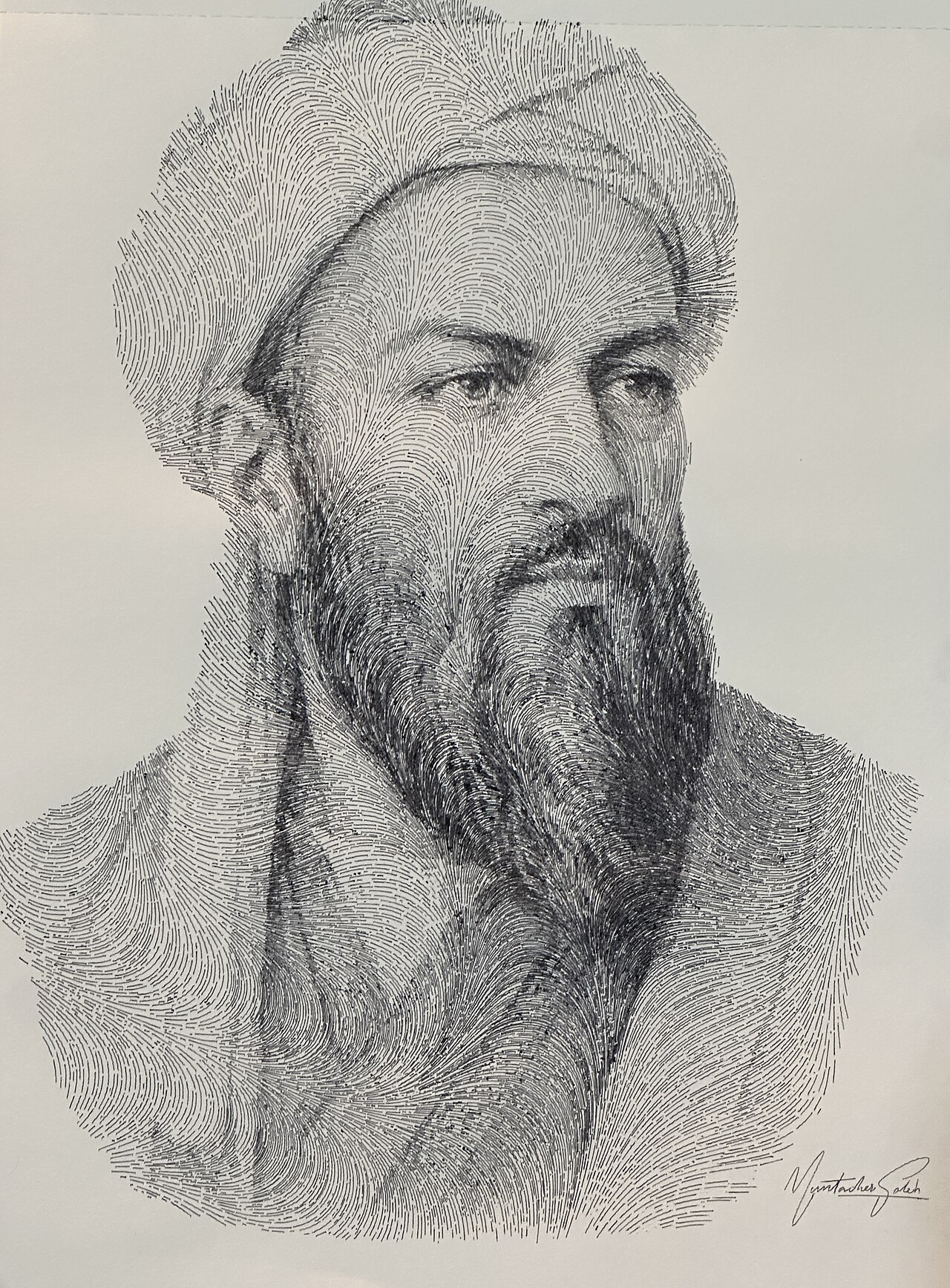
Muntadher Saleh · CC BY 4.0
Abu Rayhan Muhammad ibn Ahmad al-Biruni (c. 1050) was a Khwarazmian Iranic scholar and polymath during the Islamic Golden Age. He has been called variously 'Father of Comparative Religion', 'Father of modern geodesy', Founder of Indology and the first anthropologist. He was well versed in physics, mathematics, astronomy, and natural sciences, and also distinguished himself as a historian, chronologist, and linguist.
- died
- c. 1050
- field
- Physics, mathematics, astronomy, natural sciences, history, chronology, linguistics, comparative religion, geodesy, Indology
- nationality
- Khwarazmian Iranic
- known_for
- Tārīkh al-Hind, al-Athar al-Baqqiya, Mas'ud Canon, refutation of astrology, support for creatio ex nihilo, hydrostatic balance for density measurement
Lore & Background
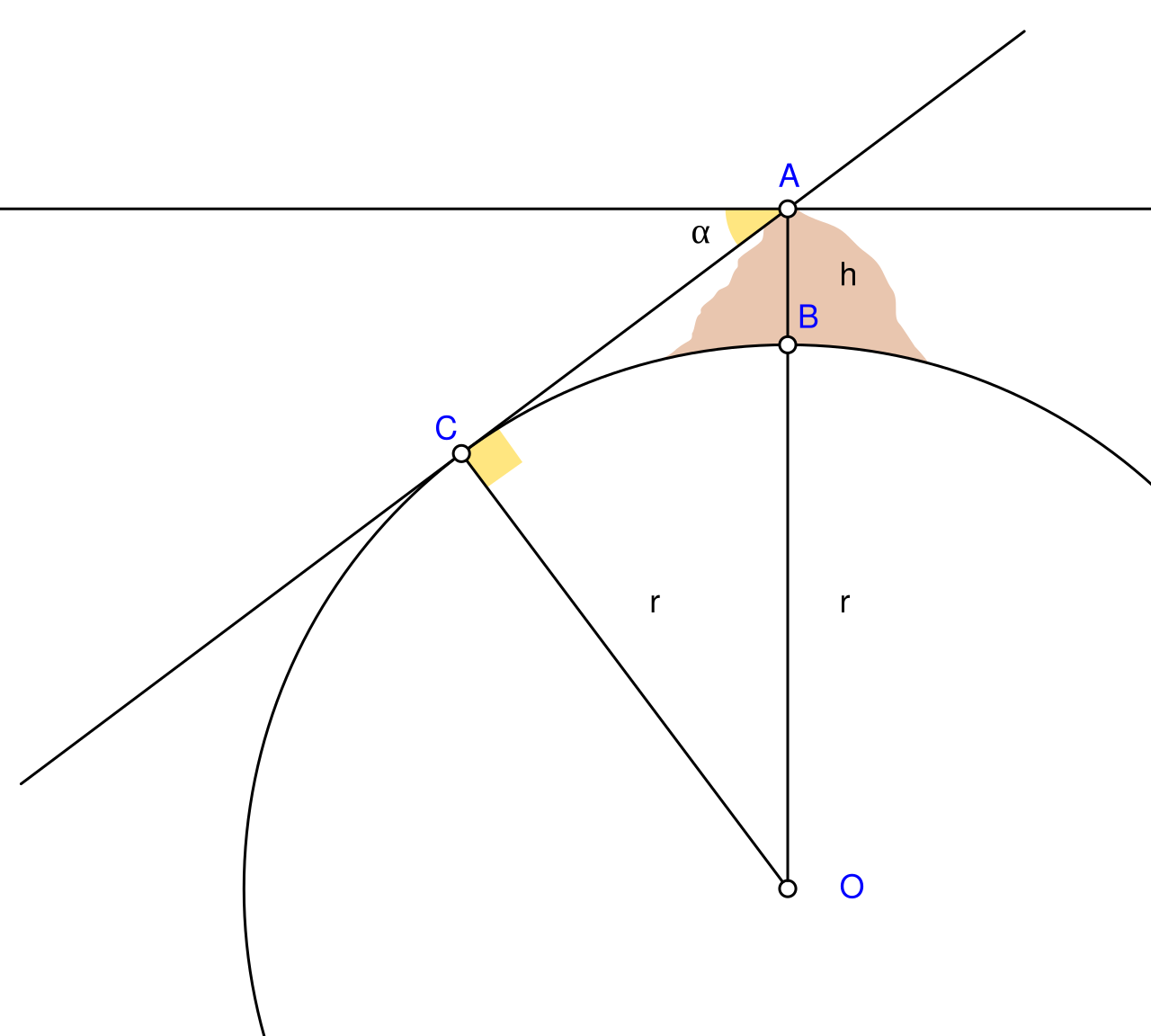
Al-Biruni spent the first twenty-five years of his life in Khwarezm, studying Islamic jurisprudence, theology, grammar, mathematics, astronomy, medicine, and philosophy. He was sympathetic to the Afrighids, who were overthrown in 995, and left for Bukhara. He corresponded with Avicenna. In 998 he went to the court of the Ziyarid amir Qabus, where he wrote his first important work, al-Athar al-Baqqiya, on historical and scientific chronology. He later made peace with the Ma'munids and visited their court at Gorganj. He accompanied Mahmud on invasions into India, living there for a few years. He also made a makeshift quadrant to measure the height of the sun. He was conversant in Khwarezmian, Persian, Arabic, and Sanskrit, and also knew Greek, Hebrew, and Syriac.
Reader's Guide
Al-Biruni's significance lies in his wide-ranging scholarship and his role as an early practitioner of comparative religion and anthropology. His Tārīkh al-Hind is noted for its impartial description of early 11th-century Indian culture and Hindu faith. In astronomy, he wrote the Mas'ud Canon, observed that the Sun's apogee was mobile, and wrote a treatise on the astrolabe. He defended the Sunni position that the universe had a beginning (creatio ex nihilo), refuting Ibn Sina in correspondence. He contributed to the scientific method in mechanics by developing experimental methods to determine density using a hydrostatic balance. Of 146 books he wrote, 95 were devoted to astronomy, mathematics, and related subjects. His scholarly objectivity earned him the title al-Ustadh ('The Master').
Did You Know?
- Al-Biruni's name is derived from the Persian word bērūn or bīrūn ('outskirts'), as he was born in an outlying district of Kath.
- He was conversant in Khwarezmian, Persian, Arabic, Sanskrit, Greek, Hebrew, and Syriac.
- He wrote a refutation of astrology, in contradistinction to the legitimate science of astronomy.
The Polymath's Breadth
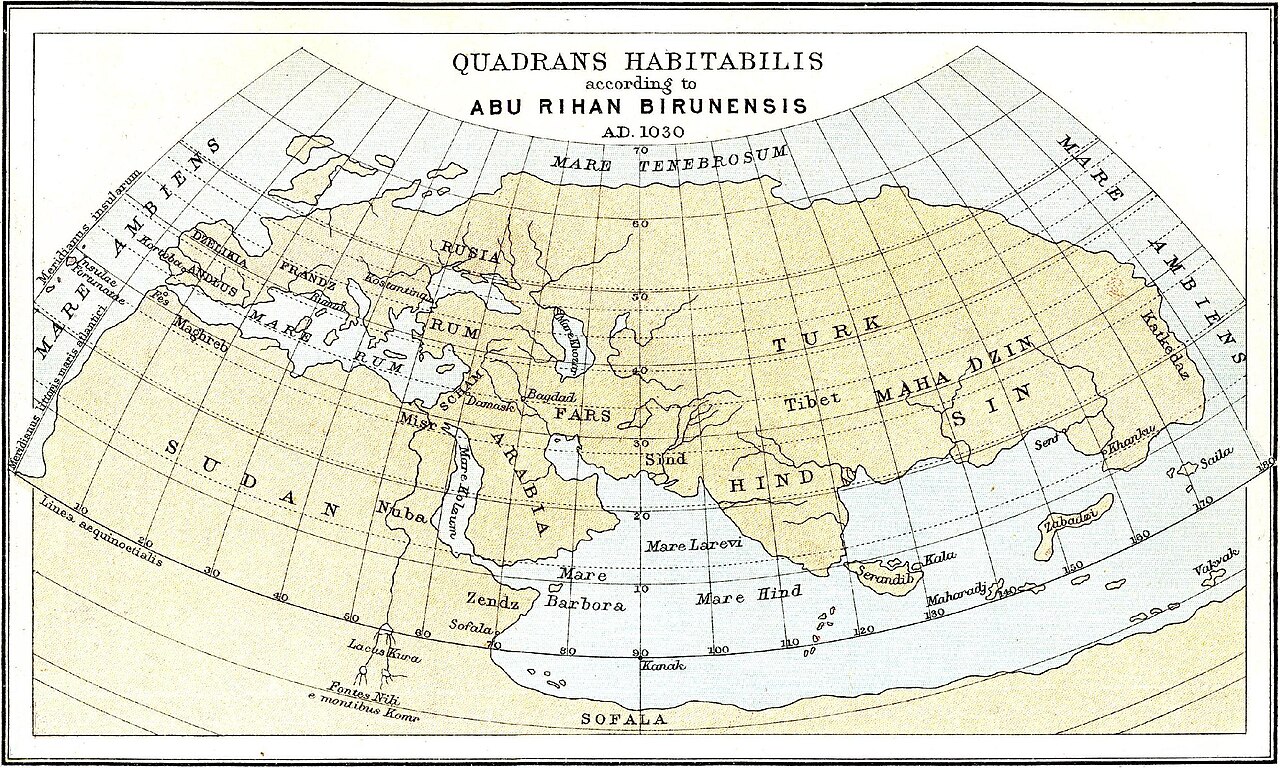
Al-Biruni's intellectual output was staggering in scope. Of the 146 books attributed to him, 95 dealt with astronomy, mathematics, and mathematical geography, underscoring how central the quantitative sciences were to his life's work. Beyond these, he made contributions to physics, natural sciences, history, chronology, and linguistics, effectively touching nearly every discipline available in his era. His approach was methodical: in his major astrological text, he laid a foundation in geometry, arithmetic, and the structure of the universe before addressing prognostication, which he ultimately critiqued. In a separate work, he explicitly refuted astrology as pseudoscience while championing astronomy as legitimate empirical inquiry. His astronomical ambitions extended to resolving the question of Earth's rotation in a treatise called Miftah-ilm-alhai'a, though that text no longer survives. He also produced an extensive commentary on Indian astronomy, largely translating Aryabhatta's work. During his Indian sojourn, he even devised a makeshift quadrant to measure the sun's height, demonstrating that his scholarship was inseparable from hands-on experimentation.
The Indian Expedition and Tārīkh al-Hind
In 1017, at the age of forty-four, Al-Biruni found himself swept into the orbit of Mahmud of Ghazni after the Ghaznavid ruler captured Rey. Taken to Ghazni as court astrologer, he accompanied Mahmud on military campaigns into the Indian subcontinent, where he lived for several years. This immersion produced his most celebrated cultural work, Tārīkh al-Hind, completed around 1030. Rather than writing a conqueror's account, Al-Biruni approached Hindu faith, customs, and creeds with remarkable scholarly objectivity, earning him the honorific al-Ustadh, meaning The Master. His study was not merely descriptive; he sought to understand Indian intellectual traditions from within, producing a detailed commentary on Indian astronomy and engaging directly with the philosophical frameworks he encountered. The expedition also served as a laboratory for his scientific work: amid the frequent travels across Indian lands, he continued pursuing methods to measure celestial phenomena, crafting instruments on the fly. His willingness to document a foreign civilization with such fairness and depth set a standard that few of his contemporaries matched.
A Bridge of Languages and Cultures
Al-Biruni's linguistic repertoire was extraordinary by any historical standard. His mother tongue was the Iranian Khwarezmian, a language that had persisted for centuries after the Islamic conquest before the region's eventual Turkification. On top of that, he was conversant in Persian, Arabic, and Sanskrit, and also knew Greek, Hebrew, and Syriac. This multilingual command allowed him to access primary sources across civilizations, from Greek philosophical texts to Sanskrit astronomical treatises. He openly acknowledged his debt to Greek thinkers, drawing inspiration from their philosophical traditions when he turned to that field of study. His engagement with Indian culture went beyond translation; he immersed himself in the Hindu faith and its intellectual traditions, producing works that reflected genuine understanding rather than superficial observation. His name itself, derived from the Persian word for outskirts, pointed to his origins in a peripheral district of Kath in Khwarazm. Yet his intellectual reach spanned the known world, making him a living conduit between the Greek, Persian, Arabic, and Indian scholarly traditions that defined the Islamic Golden Age.
Political Turmoil and a Scholar's Odyssey
Al-Biruni's life was shaped as much by political upheaval as by intellectual ambition. Born around 973 in an outlying district of Kath, capital of the Afrighid kingdom of Khwarazm, he spent his first twenty-five years there, studying jurisprudence, theology, grammar, mathematics, astronomy, medicine, and philosophy. His sympathy for the Afrighids was tested when the rival Ma'munid dynasty overthrew them in 995, prompting his departure for Bukhara under the Samanid ruler Mansur II. There, he corresponded with Avicenna, and their exchanges of views survive to this day. In 998, he moved to the Ziyarid court of Qabus in Tabaristan, where around 1000 he composed al-Athar al-Baqqiya, a work on historical and scientific chronology. After accepting the Ma'munids' definitive hold on Khwarezm, he made peace with them and spent time at their court in Gorganj, which was gaining renown for its gathering of brilliant scientists. The final major displacement came in 1017, when Mahmud of Ghazni's capture of Rey scattered the scholarly community to Ghazni, where Al-Biruni would spend the remainder of his productive life.
Gallery

Frequently Asked Questions
Who is Al-Biruni?
Al-Biruni was a Khwarazmian Iranic polymath of the Islamic Golden Age whose expertise spanned physics, mathematics, astronomy, natural sciences, history, linguistics, and comparative religion. He is widely credited as the founder of Indology, the first anthropologist, and the father of both modern geodesy and comparative religion.
What is Al-Biruni's most famous work?
His best-known text is Tārīkh al-Hind, a meticulous study of Indian civilization, customs, and religious traditions that cemented his reputation as a pioneer in Indology and comparative religion. He also authored the Mas'ud Canon on astronomy and al-Athar al-Baqqiya, a treatise on geodesy.
Why is Al-Biruni called the 'Father of Comparative Religion'?
He earned that title by systematically examining and comparing the religious traditions of India and other cultures with unusual objectivity and scholarly depth for his time. His method of approaching foreign belief systems on their own terms laid early groundwork for what we now recognize as anthropology and comparative religion.
What scientific contributions is Al-Biruni known for?
He devised a hydrostatic balance for measuring the density of substances and made foundational advances in geodesy, which is why he is called the father of modern geodesy. He also argued against astrology as a legitimate science and endorsed the philosophical concept of creatio ex nihilo.
More in Philosophers And Thinkers 25-32
Elsewhere in the Philosophers And Thinkers universe
Spotted an error? Know more?
This is a living reference — every entry is fact-audited, and reader corrections feed straight into our audit queue. Suggest an edit · See this site's audit record