
Adi Shankara
Indian Vedic scholar-monk and philosopher of Advaita Vedanta.

via Wikipedia: Adi Shankara · see source
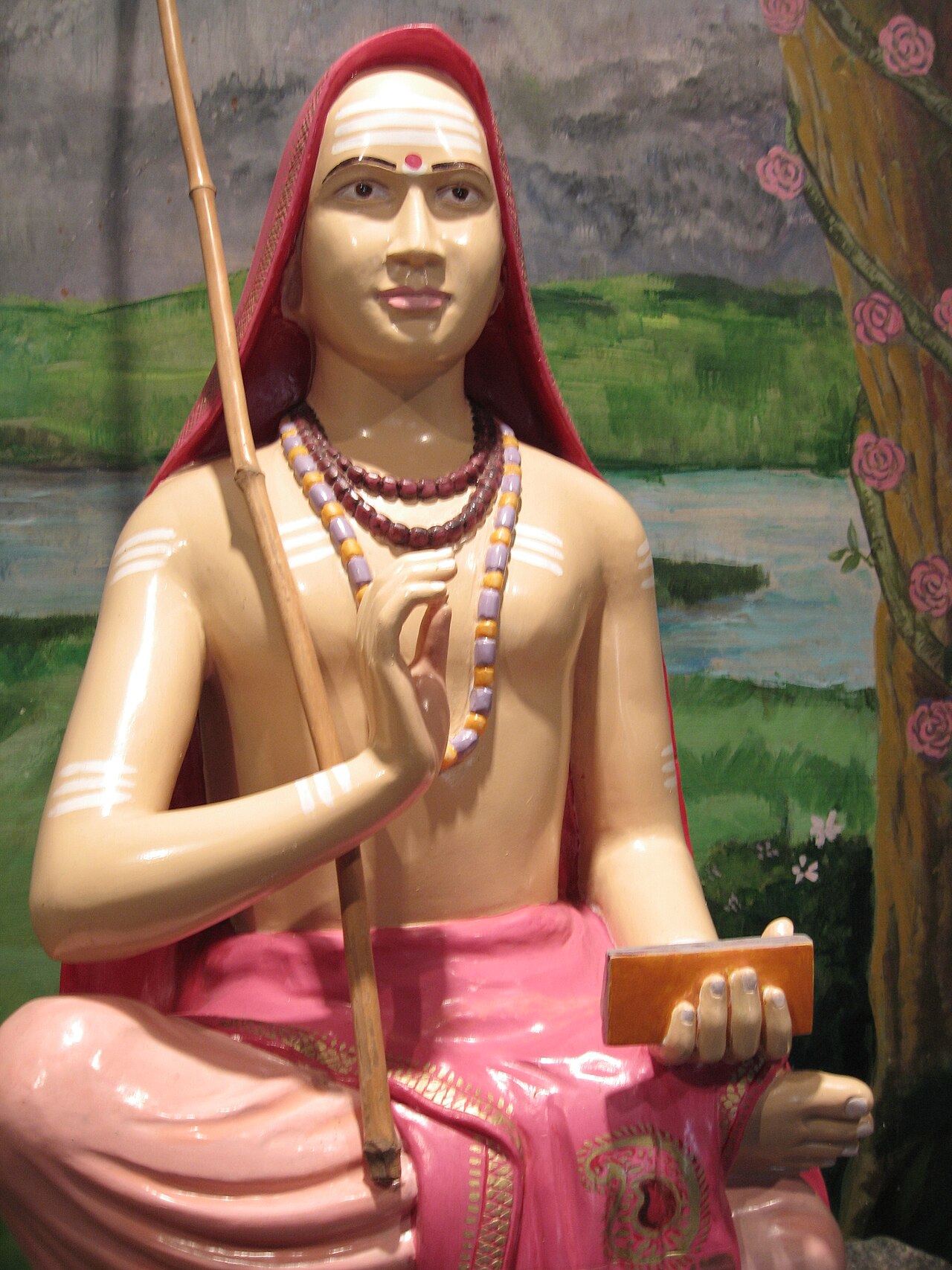
Adi Shankara (8th c. CE), also called Adi Shankaracharya, was an Indian Vedic scholar-monk, philosopher, and teacher (acharya) of Advaita Vedanta. He wrote influential commentaries on the Brahma sutras and other texts, and in recent times is often revered as the most important Indian philosopher. Reliable information on Shankara's actual life is scant, and the historical influence of his works on Hindu intellectual thought has been questioned. The historical Shankara was probably relatively unknown and Vaishnava-oriented and his true impact lies in the popular perception of him as a heroic religious leader who re-established traditional Hinduism.
- born
- First half of the 8th century CE (scholarly consensus); various traditional date
- died
- c. 750 CE (scholarly consensus); traditional dates vary
- field
- Philosophy, theology, monastic organization
- nationality
- Indian
- known_for
- Advaita Vedanta, commentaries on Brahma Sutras and Upanishads, later deification
Lore & Background
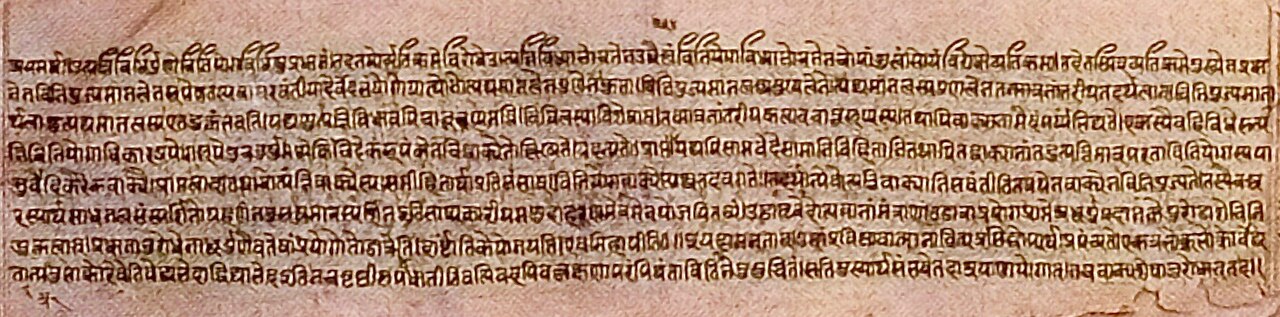
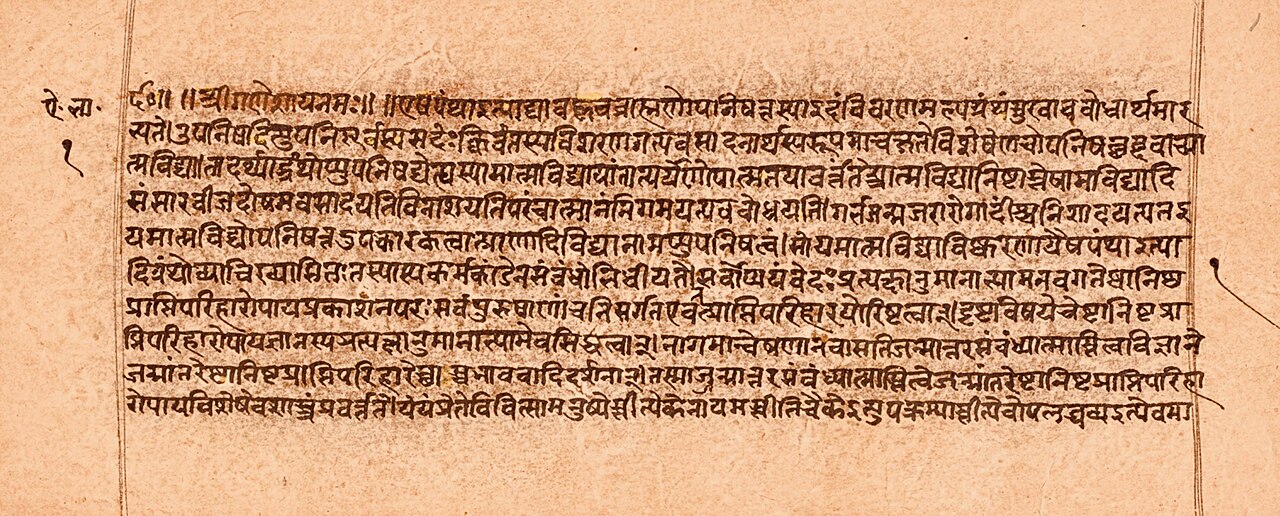
Owing to his later fame over 300 texts are attributed to him, including commentaries (bhāṣya), introductory topical expositions (prakaraṇa grantha) and poetry (stotra). However, most of these are likely to have been written by admirers, or pretenders, or scholars with an eponymous name. Works widely accepted to have been written by Shankara himself are the Brahmasutrabhasya, his commentaries on ten principal Upanishads, his commentary on the Bhagavad Gita, and the Upadeśasāhasrī. The authenticity of Shankara as the author of the Vivekacūḍāmaṇi has been questioned and mostly rejected by scholarship. His authentic works present a harmonizing reading of the shastras, with liberating knowledge of the self at its core, synthesizing the inherited Advaita Vedanta teachings of his time. The central concern of Shankara's writings was the liberating knowledge of the true identity of jīvātman (individual self) as Ātman-Brahman, emphasizing that 'right knowledge arises at the moment of hearing' the mahāvākyas, without the need of meditating on them.
Reader's Guide
Until the 10th century Shankara was overshadowed by his older contemporary Maṇḍana Miśra, and there is no mention of him in concurrent Hindu, Buddhist or Jain sources until the 11th century. The legendary Shankara was created in the 14th century, centuries after his death, when Sringeri maṭha (monastery, temple-school) started to receive patronage from the emperors of the Vijayanagara Empire and shifted their allegiance from Advaitic Agamic Shaivism to Brahmanical Advaita orthodoxy. Hagiographies dating from the 14th-17th centuries deified him as a ruler-renunciate, travelling on a digvijaya (conquest of the four quarters) across the Indian subcontinent to propagate his philosophy, defeating his opponents in theological debates. These hagiographies also portray him as founding four mathas. Adi Shankara also came to be regarded as the organiser of the Dashanami monastic order, and the unifier of the Shanmata tradition of worship. Tradition also portrays him as the one who reconciled the various sects (Vaishnavism, Shaivism, and Shaktism) with the introduction of the Pañcāyatana form of worship, the simultaneous worship of five deities – Ganesha, Surya, Vishnu, Shiva, and Devi, arguing that all deities were but different forms of the one Brahman, the invisible Supreme Being. Shankara's Advaita showed influences from Mahayana Buddhism, despite Shankara's critiques; and Hindu Vaishnava opponents have even accused Shankara of being a 'crypto-Buddhist,' a qualification which is rejected by the Advaita Vedanta tradition, highlighting their respective views on Atman, Anātman and Brahman.
Did You Know?
- The scholarly-accepted dating places Shankara in the first half of the 8th century CE, while the Advaita tradition assigns him to the 5th century BCE.
- Until the 10th century, Shankara was overshadowed by his older contemporary Maṇḍana Miśra, and there is no mention of him in concurrent Hindu, Buddhist or Jain sources until the 11th century.
- The legendary Shankara was created in the 14th century, centuries after his death, when Sringeri maṭha started to receive patronage from the Vijayanagara Empire.
- Over 300 texts are attributed to Shankara, but most are likely written by admirers or scholars with an eponymous name; only a few works like the Brahmasutrabhasya are widely accepted as authentic.
- Hindu Vaishnava opponents have accused Shankara of being a 'crypto-Buddhist,' a qualification rejected by the Advaita Vedanta tradition.
Philosophical Core and the Authentic Corpus
The writings scholars most confidently attribute to Shankara revolve around one unifying insight: the individual self (jīvātman) is identical with the ultimate reality (Ātman-Brahman). His verified corpus includes the Brahmasutrabhasya, commentaries on ten principal Upanishads, a commentary on the Bhagavad Gita, and the Upadeśasāhasrī. Rather than treating the Vedas as a compendium of ritual prescriptions in the Mīmāṃsā manner, Shankara elevated the Upanishads to the status of authoritative knowledge-source. A striking feature of his method is the claim that liberating understanding dawns the very instant one hears the mahāvākyas—great declarative sentences embedded in the Upanishads—without any need for extended meditation on those statements. His synthesis drew upon the Advaita Vedanta teachings already circulating in his era, weaving them into a harmonized reading across the shastras. The outcome was a philosophical architecture in which right knowledge, rather than ritual performance, occupies the center of spiritual liberation.
The Making of a Legend
The image of Shankara as a wandering ascetic who traversed the four quarters of India in theological conquest, vanquished rival scholars in public debate, and established four cardinal monasteries did not emerge during his own lifetime. Hagiographies composed between the 14th and 17th centuries crafted this heroic narrative, depicting him as a ruler-renunciate on a digvijaya. The timing of this mythologization is revealing: it coincided with the Sringeri maṭha receiving imperial patronage from the Vijayanagara Empire, which prompted an institutional shift from Advaitic Agamic Shaivism toward Brahmanical Advaita orthodoxy. Later tradition further cast him as the organizer of the Dashanami monastic order and the unifier of the Shanmata worship tradition. He was credited with introducing Pañcāyatana puja—the simultaneous veneration of Ganesha, Surya, Vishnu, Shiva, and Devi—as a means of reconciling Vaishnavism, Shaivism, and Shaktism under the single banner of Brahman. The very title Shankaracharya, still borne by heads of certain Indian monasteries, derives from his name, embedding his legendary status into living institutional identity.
The Puzzle of His Dates
Pinpointing when Shankara actually lived remains one of the most contested questions in Indian intellectual history. The Advaita monastic tradition assigns him to the 5th century BCE, with individual mathas offering slightly different years: Kanchipuram says 509 BCE, Govardhan Math 507 BCE, Dvārakā 491 BCE, Jyotirmath 485 BCE, Jagannatha Puri 484 BCE, and Sringeri 483 BCE. The Sringeri records link his birth to the 14th year of a king named Vikramaditya, which modern scholarship most likely identifies as Vikramaditya II of the Chalukya dynasty of Badami (733–746 CE). Late 19th- and early 20th-century scholars, following K.P. Tiele, settled on 788–820 CE, a range once endorsed by Max Müller and Radhakrishna. More recent scholarship narrows the window to roughly 700–750 CE, reasoning that his texts engage with Buddhist and Mīmāṃsā thinkers of the 5th–7th centuries (setting an earliest limit near 650 CE), while Vachaspati Mishra's 9th-century commentary on Shankara's work sets a latest boundary around 800 CE. Other proposals range from 44–12 BCE to as late as 805–897 CE.
Authorship, Attribution, and the Buddhist Question
More than three hundred texts bear Shankara's name, spanning commentaries (bhāṣya), topical expositions (prakaraṇa grantha), and devotional poetry (stotra). Yet the vast majority are almost certainly the work of later admirers, pretenders, or unrelated scholars who shared his name. The Vivekacūḍāmaṇi, long popular in Advaita circles, has had its authorship questioned and largely rejected by modern scholarship. This attribution problem complicates any straightforward reading of his intellectual legacy. Adding another layer of debate, scholars have identified clear influences from Mahayana Buddhism in Shankara's Advaita framework, even though he openly critiqued Buddhist positions. Vaishnava opponents went so far as to label him a crypto-Buddhist, a charge the Advaita tradition firmly rejects, pointing to fundamental divergences on Atman, Anātman, and Brahman. The tension between what Shankara actually wrote, what was later piled onto his name, and what his philosophical system borrowed from rival traditions makes him one of the most difficult figures to pin down in the history of Indian thought.
Gallery

Frequently Asked Questions
Who is Adi Shankara?
Adi Shankara, also called Adi Shankaracharya, was an 8th-century Indian monk, scholar, and philosopher who became the defining figure of the Advaita Vedanta school. He is broadly recognized as one of the most consequential thinkers in the history of Indian philosophy.
What did Adi Shankara write?
His most influential works are commentaries on the Brahma Sutras and the Upanishads, in which he laid out a systematic non-dualist reading of Vedic scripture. These texts remain central to Hindu philosophical study and debate to this day.
When was Adi Shankara born and when did he die?
Scholarly consensus places his birth in the first half of the 8th century CE and his death around 750 CE, though traditional accounts offer a wide spread of alternative dates. Reliable biographical detail about his actual life is limited, with much of what is known drawn from later hagiographic tradition.
What is Adi Shankara's connection to the Dashanami order?
He is traditionally credited with founding and organizing the Dashanami monastic order, a system of ten names for Hindu monks that still operates across India. This organizational role, combined with his philosophical writings, cemented his image as a ruler-renunciate in Hindu tradition.
Why is Adi Shankara important to Hindu philosophy?
He gave rigorous philosophical form to Advaita Vedanta, the non-dual interpretation of Vedic texts that identifies ultimate reality (Brahman) with the individual self (Atman). His commentaries shaped centuries of Hindu theological discourse and remain foundational references in the tradition.
More in Philosophers And Thinkers 25-32
Elsewhere in the Philosophers And Thinkers universe
Spotted an error? Know more?
This is a living reference — every entry is fact-audited, and reader corrections feed straight into our audit queue. Suggest an edit · See this site's audit record