
Al-Farabi
Early Islamic philosopher and music theorist, known as the Second Master.

National Bank of Kazakhstan · Public domain
Abu Nasr Muhammad al-Farabi (c. He has been designated as 'Father of Islamic Neoplatonism' and the 'Founder of Islamic Political Philosophy.' Al-Farabi is credited as the first Muslim who presented philosophy as a coherent system in the Islamic world, creating a philosophical system that went far beyond the scholastic interests of his Greco-Roman Neoplatonism and Syriac Aristotelian precursors. Later writers called him the 'Second Master,' with Aristotle as the first.
- died
- 14 December 950 – 12 January 951
- field
- Philosophy, music theory, logic, political philosophy, ethics, metaphysics, psychology, epistemology
- nationality
- Disputed: Persian or Turkic origin; possibly Sogdian
- known_for
- Father of Islamic Neoplatonism; Founder of Islamic Political Philosophy; Second Master (after Aristotle)
Lore & Background
Little is known about al-Farabi's life, with early accounts based on hearsay or guesses. He spent most of his scholarly life in Baghdad with Syriac Christian scholars, including Yuhanna ibn Haylan and Yahya ibn Adi. He later lived in Damascus and Egypt before returning to Damascus, where he died in 950–951. His birthplace could have been any of several places in Central Asia known as Khurasan, such as Farab (Otrar) in modern Kazakhstan, a village near Chaharjuy in Turkmenistan, or Faryab in Afghanistan. His ethnic background is disputed: some sources describe him as Persian, others as Turkic, and some suggest Sogdian origin. Medieval historian Ibn Khallikan claimed he was born of Turkic parents in the village of Wasij near Farab, but this account is criticized by modern scholars.
Reader's Guide
Al-Farabi's significance lies in his systematic presentation of philosophy in the Islamic world, integrating Neoplatonic and Aristotelian traditions. His fields included philosophy of society and religion, philosophy of language and logic, psychology, epistemology, metaphysics, political philosophy, and ethics. He was also an expert in practical musicianship and music theory, and his works incorporated astronomy, mathematics, cosmology, and physics. He influenced a wide range of later thinkers, including Yahya ibn Adi, Abu Sulayman Sijistani, Abu al-Hassan al-Amiri, Abu Hayyan al-Tawhidi, Avicenna, Suhrawardi, Mulla Sadra, Avempace, Ibn Tufail, Averroes, Maimonides, Albertus Magnus, and Leo Strauss. His legacy as the 'Second Master' reflects his foundational role in Islamic philosophy, and he was known in both the Latin West and the Islamic world.
Did You Know?
- Al-Farabi is known as the 'Second Master,' with Aristotle as the first.
- He was an expert in both practical musicianship and music theory.
- His birthplace is uncertain, with possible locations in modern Kazakhstan, Turkmenistan, or Afghanistan.
- His ethnic origin is disputed among scholars, with claims of Persian, Turkic, or Sogdian background.
Architect of a Coherent Islamic Philosophy
Al-Farabi occupies a singular position in the history of thought: he is credited as the first Muslim thinker to assemble philosophy into a unified, self-contained system within the Islamic intellectual tradition. Rather than merely transmitting the ideas of his Greco-Roman Neoplatonist and Syriac Aristotelian predecessors, he constructed an original framework that stretched well beyond their scholastic concerns. His intellectual range was remarkably broad, spanning the philosophy of society and religion, the philosophy of language and logic, psychology and epistemology, metaphysics, political philosophy, and ethics. He was also a practicing musician and a theorist of musical structure, and though he did not identify as a natural scientist, his writings wove together astronomy, mathematics, cosmology, and physics. Later scholars honored him with the title "Second Master," placing him directly behind Aristotle in the hierarchy of philosophical authority, and he is remembered as both the Father of Islamic Neoplatonism and the Founder of Islamic Political Philosophy.
A Life Shrouded in Uncertainty
Perhaps no aspect of al-Farabi's story is more frustrating for historians than the near-total absence of reliable biographical detail. The surviving accounts of his origins and family were never recorded by anyone with direct knowledge during his lifetime; they rest on hearsay, speculation, and later invention. His exact birthplace remains uncertain. The name "Farab" derives from a Persian word describing a locale irrigated by springs or a nearby river, and numerous settlements in the vast region of Khorasan—encompassing parts of modern Kazakhstan, Turkmenistan, and Afghanistan—bore that name or a variant of it. His ethnic background is equally contested. Several early sources, including the twelfth-century biographer Ibn Abi Usaibia, describe his father as a Persian army captain, and Gutas notes Persian, Sogdian, and Greek glosses in al-Farabi's works but no Turkish. The Turkic attribution, traceable to the thirteenth-century Ibn Khallikan, has been challenged by modern scholars who see it as a later nationalist projection rather than a genuine historical claim.
The Baghdad Years and a Scholar's Curriculum
The concrete details we can piece together about al-Farabi's adult life center on Baghdad, where he spent the bulk of his scholarly career. There he moved in the circles of Syriac Christian intellectuals, studying under the cleric Yuhanna ibn Haylan alongside figures such as Yahya ibn Adi and Abu Ishaq Ibrahim al-Baghdadi. In a rare autobiographical passage preserved by Ibn Abi Usaybi'a, al-Farabi traces his own educational progression: he worked through logic, medicine, and sociology, following a curriculum that began with Porphyry's Eisagoge and Aristotle's Categories, moved through De Interpretatione, and continued up to the Posterior Analytics. Beyond Baghdad, he spent periods in Damascus and in Egypt before ultimately returning to Damascus, where he died in the winter of 950 or 951. The scarcity of first-hand records means that even these modest biographical facts depend on a handful of early mentions by writers like al-Masudi, Ibn al-Nadim, and Ibn Hawqal, with later Arabic biographers of the twelfth and thirteenth centuries filling gaps with invented anecdotes.
A Thread Stretching Across Centuries
The ripple effects of al-Farabi's thought extend across more than a millennium and across the boundary between the Islamic and Latin intellectual worlds. In the Islamic tradition, his immediate circle of students and followers included Yahya ibn Adi, Abu Sulayman Sijistani, Abu al-Hassan al-Amiri, and Abu Hayyan al-Tawhidi, while the next great generation—Avicenna, Suhrawardi, and Mulla Sadra—built upon foundations he had laid. His influence crossed into the Latin West, where he was known under the name Alpharabius, shaping thinkers such as Avempace, Ibn Tufail, and Averroes, and reaching as far as Maimonides, Albertus Magnus, and, in the modern era, Leo Strauss. That a single Central Asian philosopher from the ninth century could thread through both the Arabic and European philosophical canons testifies to the depth and originality of his system. The title "Second Master," reserved for him by later writers with Aristotle as the first, captures the sense in which he was regarded not as a mere transmitter of Greek ideas but as a creator of a new philosophical tradition in his own right.
Gallery
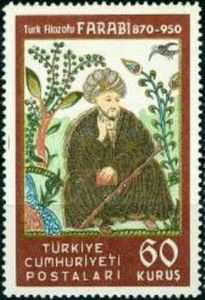
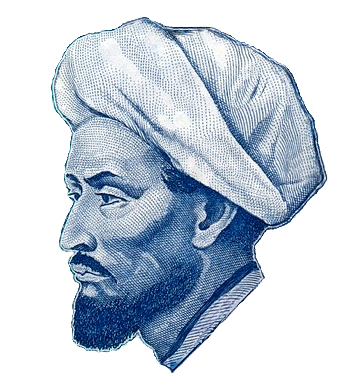
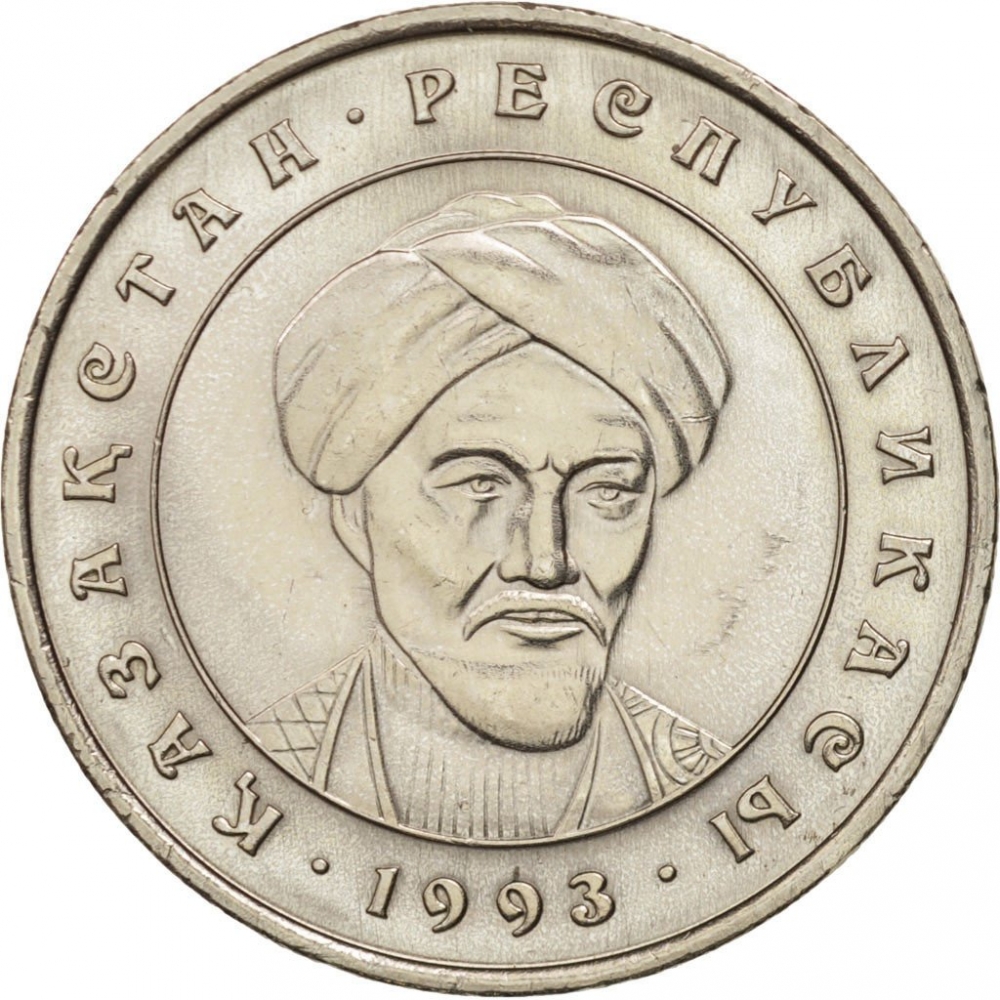
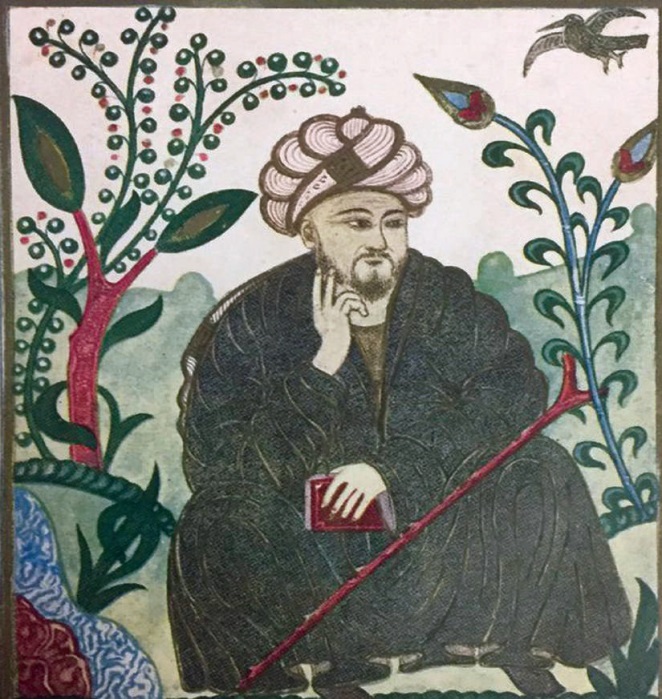
Frequently Asked Questions
What is Al-Farabi known for?
He is credited as the Father of Islamic Neoplatonism and the Founder of Islamic Political Philosophy, working across logic, ethics, metaphysics, psychology, epistemology, and music theory. His philosophical framework went well beyond the narrower scholastic traditions of his Greco-Roman and Syriac predecessors.
What is Al-Farabi's nationality or origin?
His ethnic background remains disputed among scholars, with claims of Persian, Turkic, and possibly Sogdian heritage all circulating. No definitive consensus exists on which origin is correct.
Why is Al-Farabi called the 'Second Master'?
Later writers gave him this title as a direct intellectual successor to Aristotle, who holds the position of the 'First Master.' The designation reflects how highly his philosophical legacy was regarded in relation to the ancient Greek tradition.
When did Al-Farabi die?
Al-Farabi passed away on 14 December 950 or 12 January 951, bringing to a close a life that spanned roughly eight decades. His death marked the end of a career that fundamentally shaped Islamic philosophical and musical thought.
More in Philosophers And Thinkers 1-24
Elsewhere in the Philosophers And Thinkers universe
Spotted an error? Know more?
This is a living reference — every entry is fact-audited, and reader corrections feed straight into our audit queue. Suggest an edit · See this site's audit record